

Purifying Water with Activated Carbon
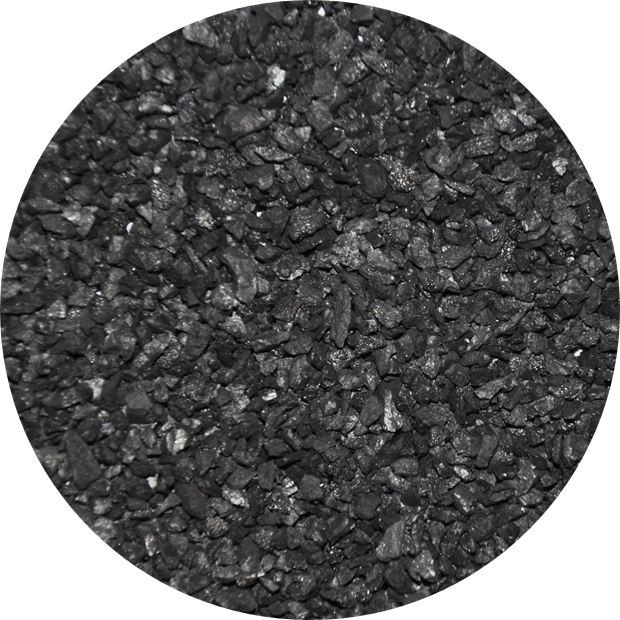
When it comes to simple and effective water purification methods, activated carbon stands out as a reliable choice. This special material is not just ordinary carbon—it undergoes a treatment process that creates countless tiny pores, turning it into a "magnet" for water impurities. Derived from common materials like coconut shells, wood, or coal, activated carbon is affordable and easy to access, making it widely used in both homes and outdoor settings.
The secret behind its purification ability lies in a physical process called adsorption. Unlike chemical methods that change the composition of water, adsorption works by trapping pollutants on the surface of the carbon. The porous structure of activated carbon gives it an astonishingly large surface area—one teaspoon of activated carbon has a surface area bigger than a basketball court. When water passes through the carbon, harmful substances such as chlorine, industrial solvents, and even some food dyes stick to these pores, leaving the water cleaner.
One of the biggest advantages of activated carbon is its simplicity in use. For daily home use, many people choose countertop carbon filters or under-sink systems. These devices require no complex installation; you just attach them to the faucet and let the water flow through. For outdoor enthusiasts, portable carbon filter bottles are a game-changer. Hikers can fill the bottle with water from a stream, and the built-in activated carbon will remove most odors and impurities, making the water safe to drink with a simple squeeze.
However, it’s crucial to understand the limitations of activated carbon. It excels at removing organic compounds and improving taste, but it cannot kill bacteria, viruses, or protozoa. To make water completely safe, it’s often combined with other methods—boiling the water after filtration or using a UV light to disinfect. Additionally, activated carbon has a "saturation point"; once its pores are full of impurities, it stops working. Most household filters need replacement every 2 to 6 months, depending on usage.
In conclusion, activated carbon is a practical and user-friendly solution for water purification. It may not solve all water quality problems, but its ability to remove unwanted substances and improve drinking water quality makes it an essential tool. By using it correctly and pairing it with other purification methods when needed, we can enjoy cleaner, better-tasting water in our daily lives.
We are the main supplier in China, for price or more information welcome to contact with us at:
Email: sales@hbmedipharm.com
Telephone:0086-311-86136561
Post time: Dec-25-2025